Loading Civic Translator…
About Civic Translator
Just the facts. None of the drama.
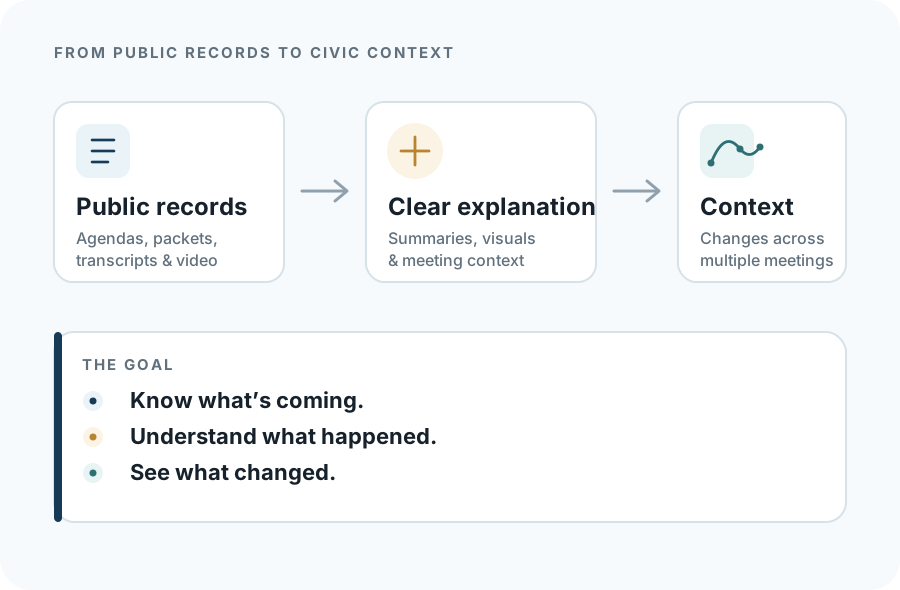
Civic Translator turns official public meeting materials into clear, source-linked summaries and visual explainers—so residents can understand what their local government is considering, what it decided, and what changes from meeting to meeting.
Official sources. Plain language. Civic Translator is designed to make important public information easier to discover, follow, and understand without sensationalizing it, advocating a position, or replacing the official public record.
Why it exists
Public meetings contain information that matters.
School boards, city councils, county boards, and other public bodies make decisions that affect students, families, taxpayers, businesses, infrastructure, public services, and entire communities. Yet following those decisions can require navigating complicated websites, reading lengthy packets, and watching hours of meetings.
The information is publicAgendas, packets, staff reports, exhibits, recordings, and meeting records are often available—but fragmented across systems and formats.
The time cost is highResidents should not need to read a 400-page packet or watch a four-hour meeting simply to understand the issues affecting their community.
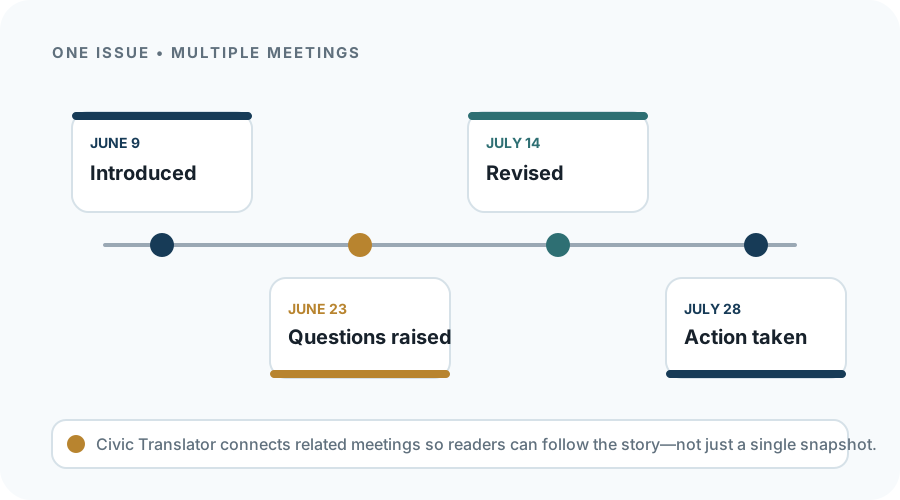
Context gets lostA proposal may develop across several meetings. Looking at one meeting in isolation can hide how an issue changed over time.
How it works
From public records to clear explanations.
1
Before the meeting
Civic Translator organizes publicly available agendas, packets, staff reports, and supporting documents into packet summaries that help residents understand what is scheduled to be considered.
2
After the meeting
When public audio or video is available, meeting transcripts are analyzed alongside the agenda and packet materials to connect what was planned with what was actually discussed, considered, and decided.
3
Across meetings
Consecutive eligible meetings can be compared to identify new proposals, policy changes, budget developments, recurring issues, and shifting priorities.
A key difference
See what changed—not just what happened.
Public decisions rarely happen in a single meeting. A proposal may be introduced, revised, funded, questioned, delayed, and eventually approved over the course of weeks or months.
Civic Translator's cross-meeting change analysis connects those moments into a more useful timeline. This longitudinal view helps residents, journalists, researchers, and community organizations track how issues develop and when meaningful changes occur.
Built around the public record
Facts first. Sources always.
Public-record basedCivic Translator begins with publicly available government meeting materials and records.
IndependentCivic Translator is not affiliated with or endorsed by the public bodies it covers.
NonpartisanCivic Translator does not advocate for political parties, candidates, or policy positions, and does not manufacture controversy or sensationalize routine public business.
Precise about statusSummaries are designed to distinguish between proposals, recommendations, discussion, official actions, and future work.
Technology & transparency
Automation helps process the record. The record remains the source.
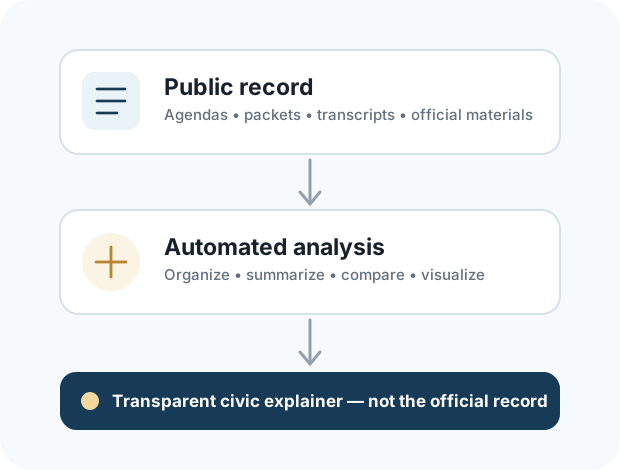
Civic Translator uses automated tools, including artificial intelligence, to help organize, analyze, summarize, compare, and visualize large volumes of public meeting information.
These summaries are informational explainers, not official meeting records. When accuracy is critical, readers should consult the source materials and official records published by the public body.
Who it serves
Built for people who need to understand local government.
ResidentsFollow decisions affecting your neighborhood, schools, taxes, services, and community.
JournalistsQuickly identify meeting developments, recurring issues, and source material worth deeper reporting.
ResearchersTrack policy, budget, and governance activity across meetings and over time.
Community organizationsShare clearer explanations of public issues with the people you serve.
Accountability Partners
Local knowledge strengthens civic transparency.
Civic Translator works alongside local Accountability Partners—community members committed to improving transparency and helping their neighbors better understand local government. By organizing and translating publicly available information into accessible summaries and analyses, Accountability Partners help strengthen informed civic participation.
Why I built it
Making public information easier to follow.
I'm Will Rubel, founder of Civic Translator. I built Civic Translator around a simple problem: local governments publish enormous amounts of valuable public information, but following it often requires navigating complicated websites, reading lengthy meeting packets, and watching hours of meetings.
Civic Translator is an effort to make that information more accessible without replacing the public record or telling residents what to think about it. The goal is to help more people understand the issues, decisions, and changes shaping their communities.
Get involved
Bring Civic Translator to your community.
Don't see your school board, city council, county government, or other public body? Civic Translator continues expanding coverage based on community interest, the availability of public meeting information, and project priorities.